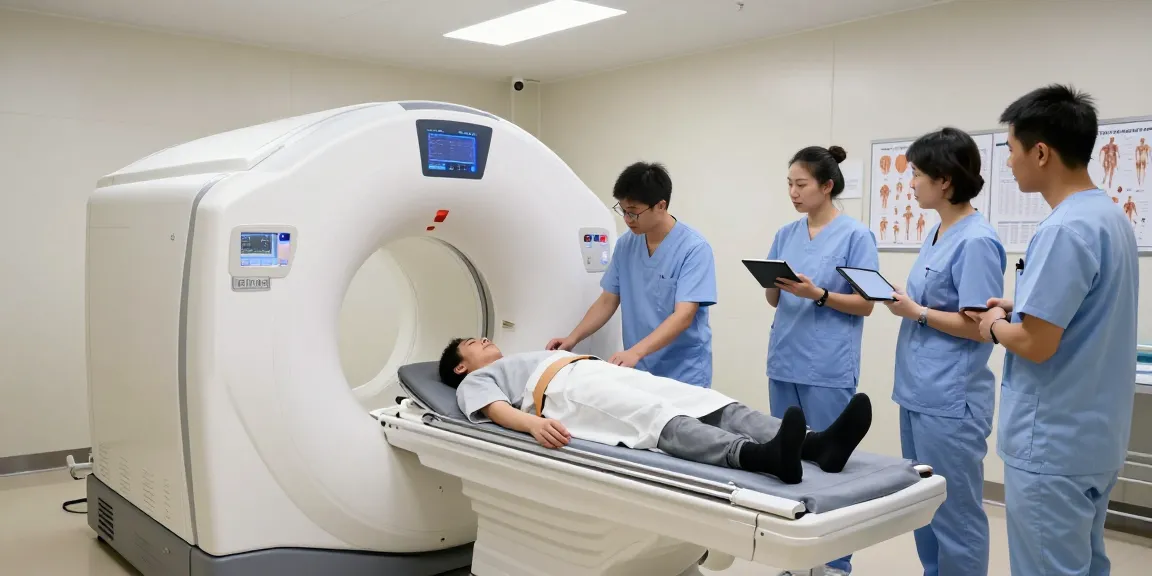
Understanding Medical Imaging Equipment: An Overview
Medical imaging equipment plays a vital role in diagnosing and monitoring diseases in patients, leading to enhanced treatment outcomes and improved patient care. This equipment ranges from traditional X-rays to advanced technologies like MRI and CT scans. Understanding the various types of medical imaging equipment and their functionalities is essential for healthcare providers aiming to select the right tools for their practices. Furthermore, medical imaging equipment not only aids in accurate diagnostics but also streamlines the workflow in clinical settings, ensuring that patients receive timely and effective care.
What is Medical Imaging Equipment?
Medical imaging equipment refers to a range of devices used to produce visual representations of the interior of a body for clinical analysis and medical intervention. These technologies enable healthcare professionals to observe the structure and function of organs, tissues, and systems within the body without invasive procedures. This sector has evolved significantly over the years, incorporating advanced technology to create clearer images and improve diagnostic accuracy.
Types of Medical Imaging Technologies
There are several types of medical imaging technologies, each designed for specific diagnostic purposes. Below are some commonly used modalities:
- X-ray: The most traditional form, using electromagnetic radiation to create images of bones and tissues.
- Computed Tomography (CT): Combines X-ray images taken from different angles and uses computer processing to create cross-sectional images of bones and soft tissues.
- Magnetic Resonance Imaging (MRI): Utilizes magnetic fields and radio waves to generate detailed images of organs and tissues, particularly useful for soft tissue evaluation.
- Ultrasound: Employs high-frequency sound waves to produce images of organs and structures within the body, widely used in obstetrics and to assess abdominal organs.
- Nuclear Medicine: Involves the injection of radioactive substances to visualize metabolic processes in the body.
The Impact of Medical Imaging on Patient Care
The introduction of advanced medical imaging technologies has significantly transformed patient care. Accurate and timely imaging diagnostics enhance disease detection, enabling quicker treatment plans and reduced recovery times. Moreover, these technologies minimize the need for exploratory surgeries, decreasing patient discomfort and associated risks. As medical imaging continues to evolve, it increasingly contributes to personalized medicine, allowing for tailored treatment strategies based on individual patient needs.
Innovative Trends in Medical Imaging for 2026
The landscape of medical imaging is continuously changing, driven by technological advancements and the growing demand for efficient healthcare delivery. As we look toward 2026, several innovative trends are shaping the future of medical imaging.
Emerging Technologies in Imaging Equipment
Recent developments in imaging technologies include the integration of hybrid imaging systems, such as PET/CT and SPECT/CT, which combine functional and anatomical imaging. These advancements allow for more accurate diagnoses and improved treatment planning. Additionally, 3D printing is being utilized to create patient-specific anatomical models, enhancing preoperative planning and surgical outcomes.
Artificial Intelligence in Medical Imaging
Artificial Intelligence (AI) is revolutionizing the medical imaging field by enhancing image analysis and interpretation. AI algorithms can identify patterns and anomalies in imaging data with speed and precision, providing radiologists with valuable decision-support tools. This not only increases diagnostic accuracy but also helps reduce the workload on imaging professionals, allowing them to focus on more complex cases.
Future-Proofing Medical Imaging Practices
Healthcare providers are increasingly focusing on future-proofing their medical imaging practices by investing in scalable technologies and training programs. As imaging technologies evolve, ensuring that staff are trained in the latest equipment and techniques is essential. Moreover, adopting cloud-based systems for data storage and sharing can facilitate better collaboration among medical professionals, leading to improved patient outcomes.
Challenges in Medical Imaging: Addressing Common Pain Points
While the advancements in medical imaging have greatly improved patient care, several challenges persist in the industry that need to be addressed.
Technical Limitations of Current Equipment
Despite the sophistication of modern imaging equipment, technical limitations such as image resolution, scanning speed, and equipment design can affect diagnostic efficacy. Healthcare providers must continually assess their equipment capabilities and consider upgrades or replacements to maintain high standards of care.
Patient Accessibility and Safety Concerns
Accessibility to medical imaging services can vary significantly based on geographical location, financial constraints, and healthcare policies. Furthermore, safety concerns surrounding radiation exposure from X-rays and CT scans also pose challenges that need to be mitigated through proper protocols and patient education.
Interoperability and Data Management Issues
As healthcare systems adopt more diverse imaging technologies, interoperability becomes a critical concern. Healthcare providers must ensure that different imaging systems can communicate effectively and that data management practices comply with healthcare regulations. A robust data management system can enhance patient care by ensuring that imaging data is accessible and actionable across various platforms.
Best Practices for Selecting Medical Imaging Equipment
Choosing the right medical imaging equipment is vital for healthcare facilities aiming to provide high-quality patient care while managing costs effectively. Below are best practices to consider when selecting imaging technologies.
Evaluating Equipment Performance Metrics
When assessing imaging equipment, healthcare facilities should focus on performance metrics such as image quality, reliability, energy efficiency, and manufacturer support services. Conducting comparative analyses of equipment options can help in making informed decisions.
Cost-Effectiveness and ROI Considerations
Evaluating the total cost of ownership, including acquisition, maintenance, and operational costs, is crucial in selecting medical imaging equipment. Facilities should also consider the expected return on investment (ROI) by assessing how the equipment will enhance patient throughput and improve diagnostic capabilities.
Integration with Current Healthcare Systems
Ensuring that new imaging equipment can seamlessly integrate with existing healthcare systems is essential for maintaining an efficient workflow. Compatibility with electronic health records (EHRs) and other digital platforms can streamline data sharing and improve patient management.
Case Studies: Successful Implementation of Medical Imaging Solutions
Real-world examples of effective use cases can illuminate the importance of medical imaging in improving patient outcomes and operational efficiency.
Real-World Examples of Advanced Imaging Equipment
Hospitals that have adopted advanced imaging equipment, such as high-field MRI systems, report enhanced diagnostic capabilities, particularly in complex cases like neurological disorders. These hospitals have seen a significant decrease in the time to diagnosis, leading to faster intervention and treatment.
How Hospitals Improved Outcomes with New Technology
By integrating hybrid imaging technologies, many hospitals have improved their ability to detect and characterize tumors. For instance, institutions employing PET/CT imaging have reported higher accuracy rates in oncology, allowing for more personalized treatment planning.
Future Outlook: Predictions for Medical Imaging Technologies
As we progress further into the 2020s, we can expect to see enhancements in imaging technologies that include the application of machine learning in image acquisition and analysis, potentially changing the standards of care in diagnostics.
What is the role of telehealth in medical imaging applications?
Telehealth is rapidly becoming an integral part of medical imaging, allowing for remote consultations and image sharing between healthcare providers and patients. This advancement reduces barriers to accessing imaging services while ensuring continuity of care, particularly for those in rural or underserved areas.
How does AI influence the accuracy of medical imaging interpretations?
AI dramatically enhances the accuracy of medical imaging interpretations by providing real-time analysis and risk assessments based on machine learning models trained on large datasets. This capability helps radiologists to affirm or reassess interpretations, thereby improving diagnostic confidence.
What are the current challenges facing the medical imaging industry?
Current challenges encompass regulatory hurdles, rapid technological advancements outpacing training and education, and ensuring patient safety amidst increasing imaging volumes. Addressing these challenges is essential for the ongoing evolution of the medical imaging field.
How can healthcare providers enhance patient experience through imaging?
Healthcare providers can enhance patient experience by creating welcoming imaging environments, minimizing wait times, and providing clear communication throughout the imaging process. Utilizing technology for scheduling and follow-ups can significantly improve patient satisfaction.
What training is required for professionals operating imaging equipment?
Training for professionals operating imaging equipment must be comprehensive, covering both technical proficiency and patient interaction skills. Continuous education and certification programs are necessary to keep staff updated on the latest technologies and best practices.